Bali Property Investor Guide
Bali Land
Zoning Guide
Why This Matters Before You Buy
Understanding Zoning
Bali land zoning determines what you can legally build on a piece of land. Buy the wrong zone and you may not be able to construct a villa at all. Build without checking and you risk a stop-work order or, in the worst case, demolition.
Zoning in Bali is governed at the regency level under the RTRW (Rencana Tata Ruang Wilayah) framework. The main regencies for foreign investors are Badung, Gianyar, and Tabanan. Each has its own spatial plan, and zoning designations can change when plans are revised.
Checking zoning is not complicated, but it needs to be done before a purchase agreement is signed. Below is a plain explanation of the main zone types and what each permits.
The Five Main Categories
Zone Types
Residential (Perumahan)
Private homes and villas. The zone most foreign buyers are working with. Residential zoning permits villa construction but caps building coverage and height. Maximum site coverage varies by local regulation, typically 40 to 60% of the land area.
Permitted
- +Private villas
- +Guest houses (with permits)
- +Staff quarters
Not Permitted
- xHotels
- xCommercial retail
- xFactories
Commercial (Perdagangan)
Shops, restaurants, offices, and mixed-use development. Found along main roads and in town centres. Commercial zoning typically allows residential use above ground floor. Higher land prices than residential.
Permitted
- +Shops and restaurants
- +Offices
- +Mixed-use development
Not Permitted
- xHeavy industry
- xAgricultural use
Tourism (Pariwisata)
The zone where hotels, resorts, and large-scale holiday rental operations are permitted. Common in Seminyak, Kuta, Legian, and parts of Uluwatu. Tourism zone land is often priced at a significant premium because of the commercial potential it carries.
Permitted
- +Hotels and resorts
- +Restaurants and spas
- +Tourist villas
- +Retail within resorts
Not Permitted
- xPrivate residential only
- xAgricultural use
Green Zone (Zona Hijau)
Protected agricultural and environmental land. This is the category that catches buyers off guard. Green zone land can look like ordinary farmland or jungle and may be sold cheaply, but construction is heavily restricted or prohibited. Some green zone land can be converted through a formal application process, but this is time-consuming, expensive, and not guaranteed.
Permitted
- +Agricultural structures
- +Small open-sided pavilions
Not Permitted
- xVillas
- xPermanent structures
- xCommercial buildings
- xPools
Pink Zone (Khusus Pariwisata)
A special tourism development designation used in areas like southern Uluwatu and parts of Nusa Dua. Pink zone allows hotel and resort-scale development under a specific permit framework. Land here attracts significant developer interest. Building regulations are stricter than standard tourism zone in terms of setbacks and environmental requirements.
Permitted
- +Resort developments
- +Boutique hotels
- +Eco-lodges with permits
Not Permitted
- xStandard villa without resort permit
- xRetail outside resort perimeter
Across All Zones
Building Restrictions
Zoning tells you what type of building is allowed. These rules apply on top of zoning and govern how you build, regardless of zone.
Height limit
Maximum 15 metres above ground level across most of Bali. This is a hard cap that applies regardless of zone. Some coastal and ceremonial areas have lower limits.
Temple buffer zones
Balinese Hindu temples (pura) have mandatory exclusion zones. Within a certain radius of a temple, construction is prohibited or heavily restricted. The radius varies by the classification of the temple. This applies to thousands of temples across the island.
Coastal setbacks
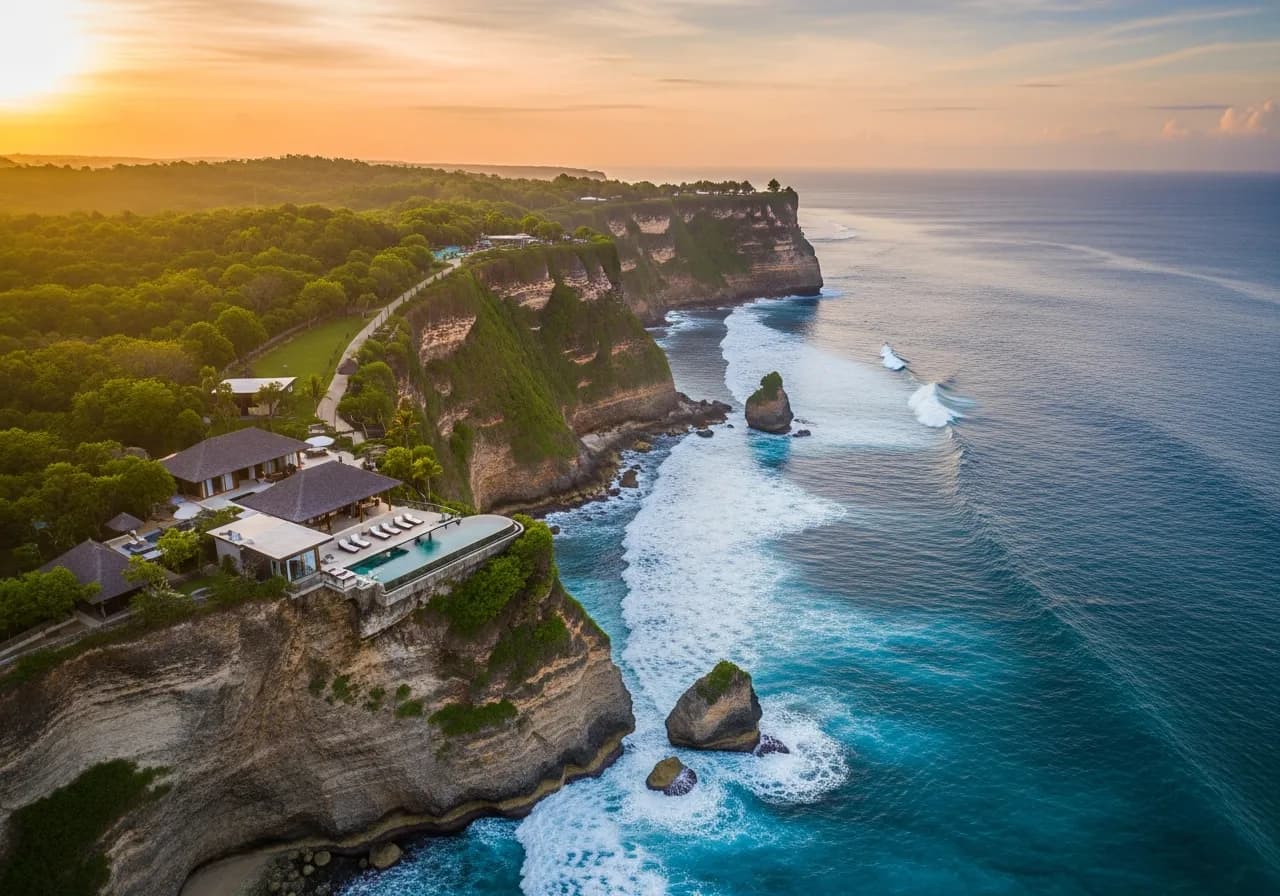
A minimum 100-metre setback from the high tide line applies across most of Bali's coastline. This is enforced in areas like Canggu and Uluwatu. Buyers of beachfront or clifftop land need to verify exactly where this line sits relative to their intended building footprint.
River setbacks
5 to 10 metres from the edge of any river or waterway, depending on the waterway classification. Rice field water channels carry their own restrictions.
Road setbacks
Buildings must sit back from the road boundary, with distance depending on road classification. Main arterial roads carry larger setbacks than lane access roads.
Site coverage
Most residential zones cap the percentage of the site that can be covered by building footprint. Uncovered and open areas are required as a proportion of the total land. This affects how much floor area you can build on a given plot.
Our Process
How We Handle Zoning Checks
We check all zoning requirements before recommending any land purchase. That is not a selling point, it is just what responsible land sourcing looks like.
For every site we assess, we verify the zone classification, look for overlapping exclusion zones (temples, rivers, coast), confirm site coverage ratios, and review the land certificate history with our in-house legal team. If the zone is not suitable for the client's intended use, we say so and move on to the next option.
Buyers who come to us with land they have already found elsewhere can also commission a zoning and due diligence check as a standalone service. We will tell you what you can build and flag anything that warrants further investigation.
Where We Work
Zoning by Location
Uluwatu
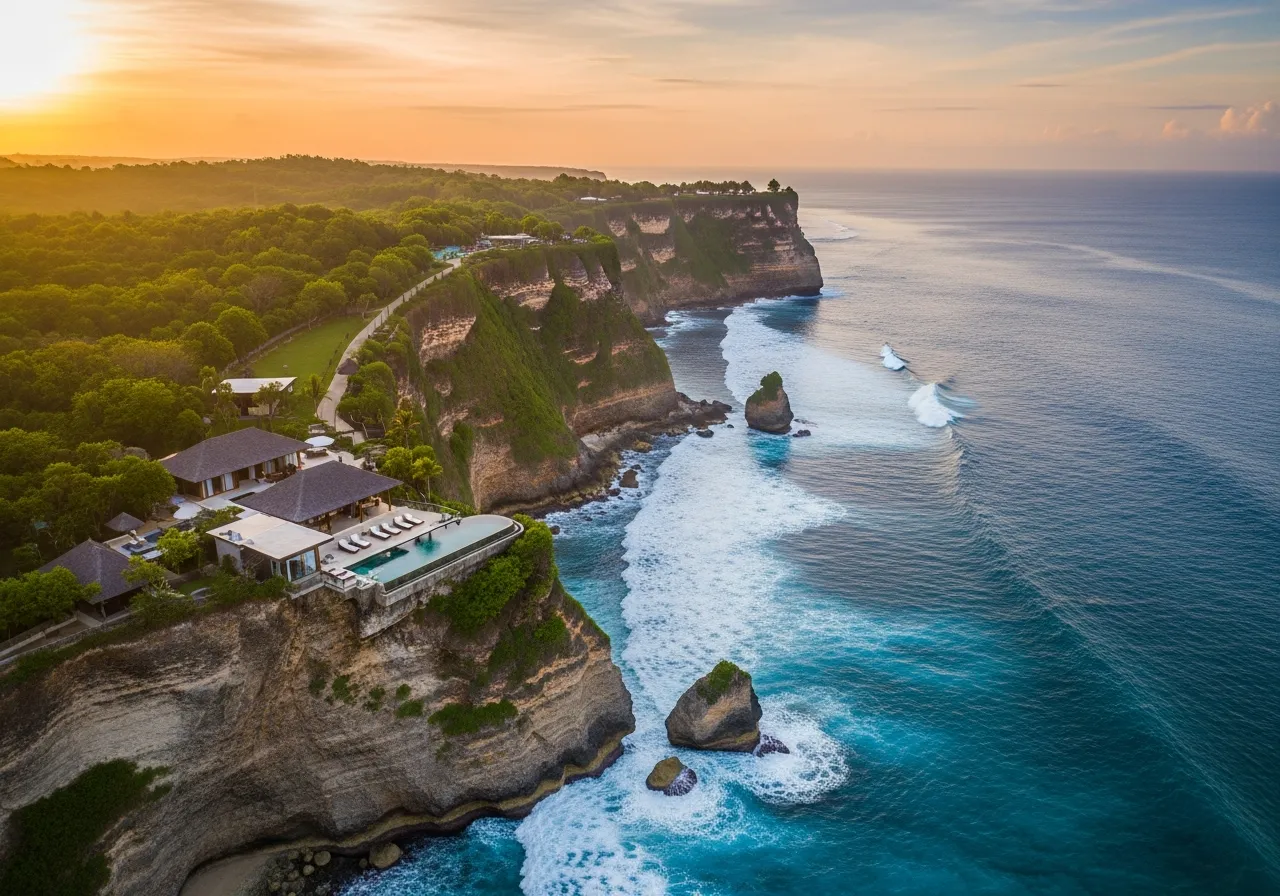
Mix of residential and pink zone (Khusus Pariwisata). Clifftop sites often have coastal setback implications. Strong tourism demand makes zoning verification especially important here.
Area GuideCanggu
Predominantly residential zone with commercial strips along main roads. Heavy demand has pushed rezoning applications in some areas. Rice field adjacency is common, bringing green zone boundary questions.
Area GuideCemagi
Largely residential, with agricultural land surrounding many sites. Slower development pace than Canggu means better land value, but zone checking is essential given the green land mix.
Area GuideSeminyak
Mix of tourism and commercial zones in the core, transitioning to residential further back. One of the most established areas for investor-grade villa stock.
Area GuideUbud
Gianyar regency regulations apply. Cultural protection zones around the palace and central temples. Agricultural land is extensive and protected. Strong demand for residential villas with rice field or jungle outlook.
Area GuideTabanan
Emerging area with predominantly agricultural and residential zoning. Lower land prices but requires careful zone verification. Suitable for buyers with longer investment horizons.
Free Download
The Bali Land Zoning Guide
A nine-page reference covering the three zone categories, what you can and cannot build in each, and the questions to ask before signing on any plot. Useful at the shortlist stage when you are comparing land options.
- ·Yellow Zone (residential) - what is permitted and not
- ·Pink/Purple Zone (tourism accommodation) explained
- ·Green Zone - why you cannot build, and how to verify
- ·Practical checks before any land contract
Send to My Inbox
Get the Guide
Drop in your details and we will send the PDF straight to your inbox. No spam, just the file.
Common Questions
Zoning FAQ
Related guides
Before You Buy Land
Can Foreigners Buy Property in Bali?
Legal ownership options for international investors - leasehold, PT PMA, and Hak Pakai explained.
Read More →Freehold vs Leasehold in Bali
Which ownership structure suits your investment goals? Side-by-side comparison with resale and yield implications.
Read More →Best Area to Invest in Bali
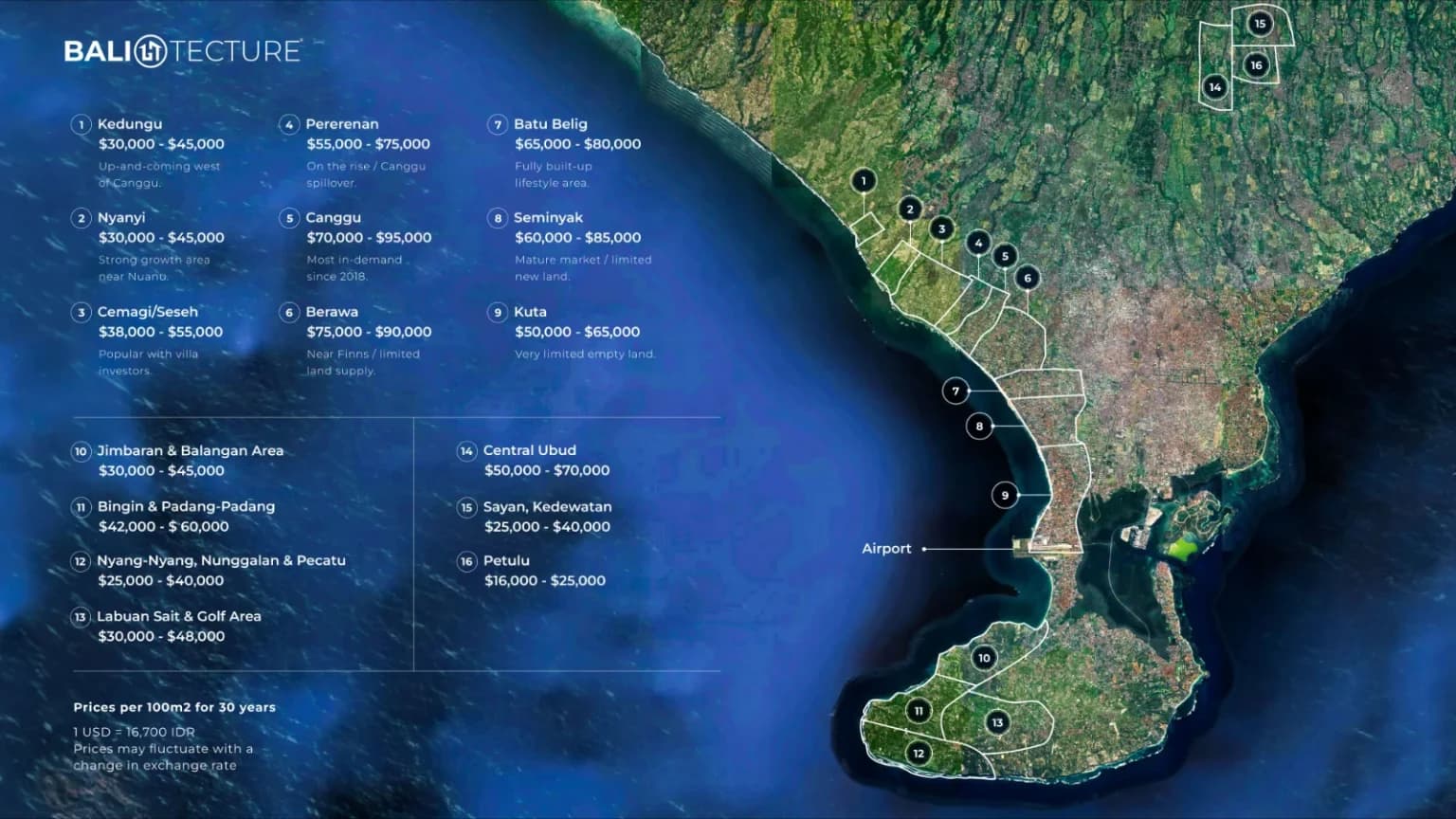
Where to buy by area - Uluwatu, Canggu, Cemagi and beyond. Real land prices and yield data.
Read More →From the blog
Land Buyer Guides
How to Find Good Land in Bali
Zoning, title, road access, view obstruction - the due diligence checklist for foreign investors.
Read More →Bali Land Prices Per Are (2026)
What land costs across every major area - from $5K/are in Tabanan to $120K/are in Seminyak.
Read More →Can Foreigners Buy Property in Bali?
Leasehold, PT PMA, and Hak Pakai explained. How foreign investors legally hold land in Indonesia.
Read More →Get Expert Help
Ask About a Specific Site
If you have a parcel in mind, send us the details. We will check the zone, flag any restrictions, and tell you what you can realistically build.