All prices on this page are quoted in USD unless otherwise noted.
You want a number, so here it is: a well-managed 2-3 bedroom villa in a prime Bali location generates roughly $30,000 to $80,000+ in net rental income per year. The spread is wide because every variable matters - location, build quality, management, and licensing all move the needle.
That translates to net yields of 10-15% on your total investment, which is a big part of why Bali keeps showing up on "best rental yield" lists. But those numbers only apply to villas that are designed for rental from day one, managed properly, and located in the right zones.
This article breaks down exactly how those numbers work - what drives them, what eats into them, and what separates a villa that earns $30K from one that earns $80K. No inflated projections. At Balitecture, we build and manage villas for investors across Bali, and we are sharing the same data we use internally.
Disclaimer: All figures in this article are illustrative and based on current market conditions as of early 2026. Rental income is not guaranteed and varies based on property quality, location, management, market conditions, and occupancy. Past performance does not predict future results. Always conduct independent due diligence before investing.
What Drives Rental Income in Bali
Before we get into specific numbers, you need to understand the five factors that determine whether a villa earns $30K or $80K per year. Get all five right and you are in the upper range. Miss two or three and you are at the bottom - or worse, running at a loss.
1. Location
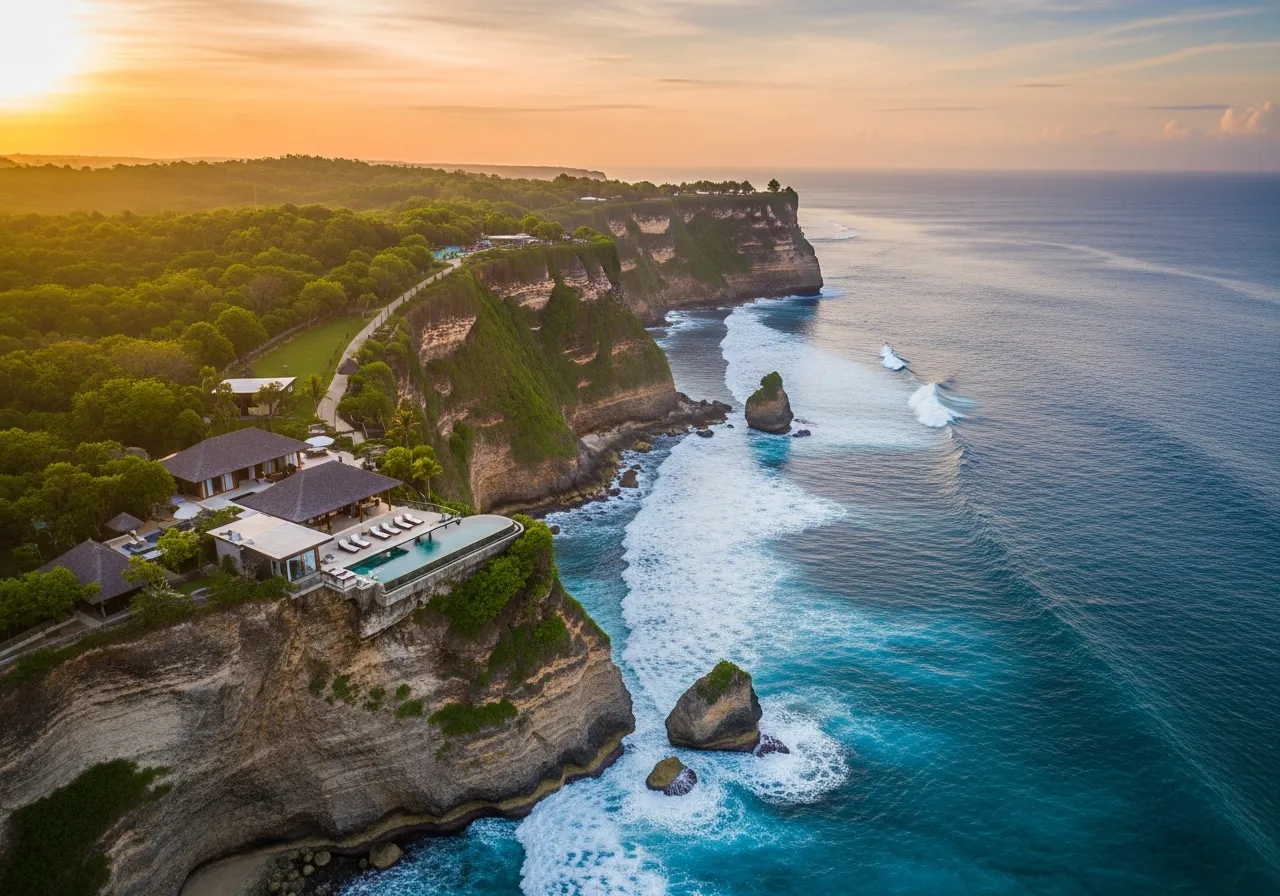
This is the single biggest lever. Uluwatu commands the highest nightly rates in Bali because of its cliff-top views, luxury positioning, and proximity to world-class surf breaks. Canggu has the highest demand volume but also the most competition, which compresses margins. Ubud attracts a different guest profile entirely - wellness retreats, yoga practitioners, longer stays at lower rates but with steadier occupancy.
Within each area, micro-location matters too. A villa with an ocean view in Uluwatu will outperform one tucked behind a rice field by 30-50% on nightly rate. Proximity to restaurants, beach clubs, and attractions directly impacts booking rates.
2. Design Quality and Photography
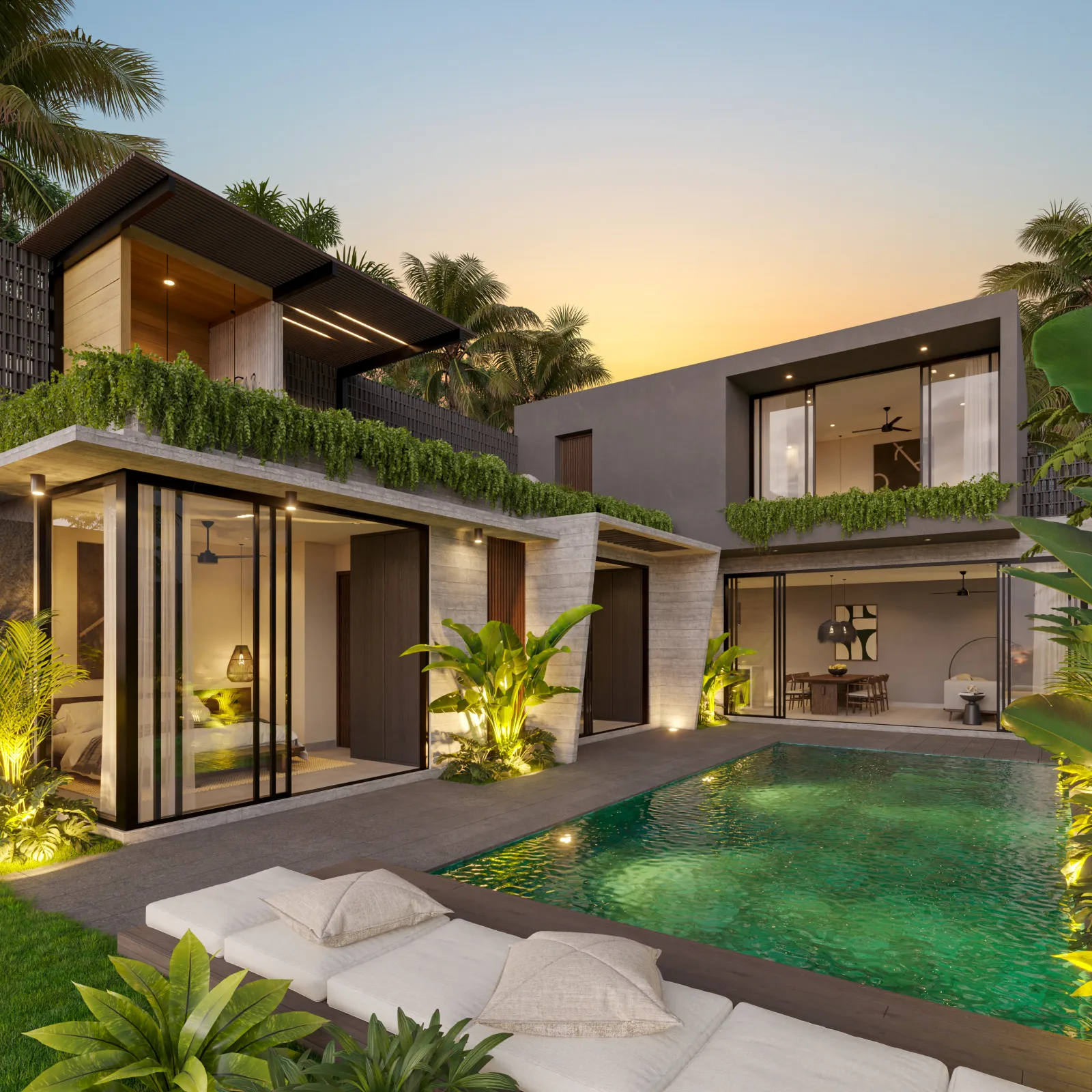
Bali's rental market is visual. Extremely visual. Guests scroll through hundreds of listings, and your first photo has about two seconds to stop them. A villa with distinctive architecture, a well-designed pool area, and professional photography will achieve 20-40% higher nightly rates than an average-looking build in the same location.
This is not about spending more on marble countertops. It is about thoughtful design that photographs well - clean lines, natural materials, open living spaces, and that one signature feature (infinity pool, dramatic staircase, outdoor bathtub) that makes the listing stand out.
3. Management Quality
The difference between good and mediocre management is worth $10,000-20,000 per year on a typical villa. Good management means fast response times to booking enquiries (under 15 minutes), dynamic pricing that adjusts for demand, actively chasing reviews, and delivering the kind of guest experience that keeps you above 4.8 stars on Airbnb.
Poor management - slow responses, fixed pricing year-round, dirty pools, burnt-out light bulbs in listing photos - will tank your occupancy and ratings within months. A villa sitting at 4.5 stars on Airbnb earns noticeably less than one with 4.9 stars in the same area.
4. Amenities
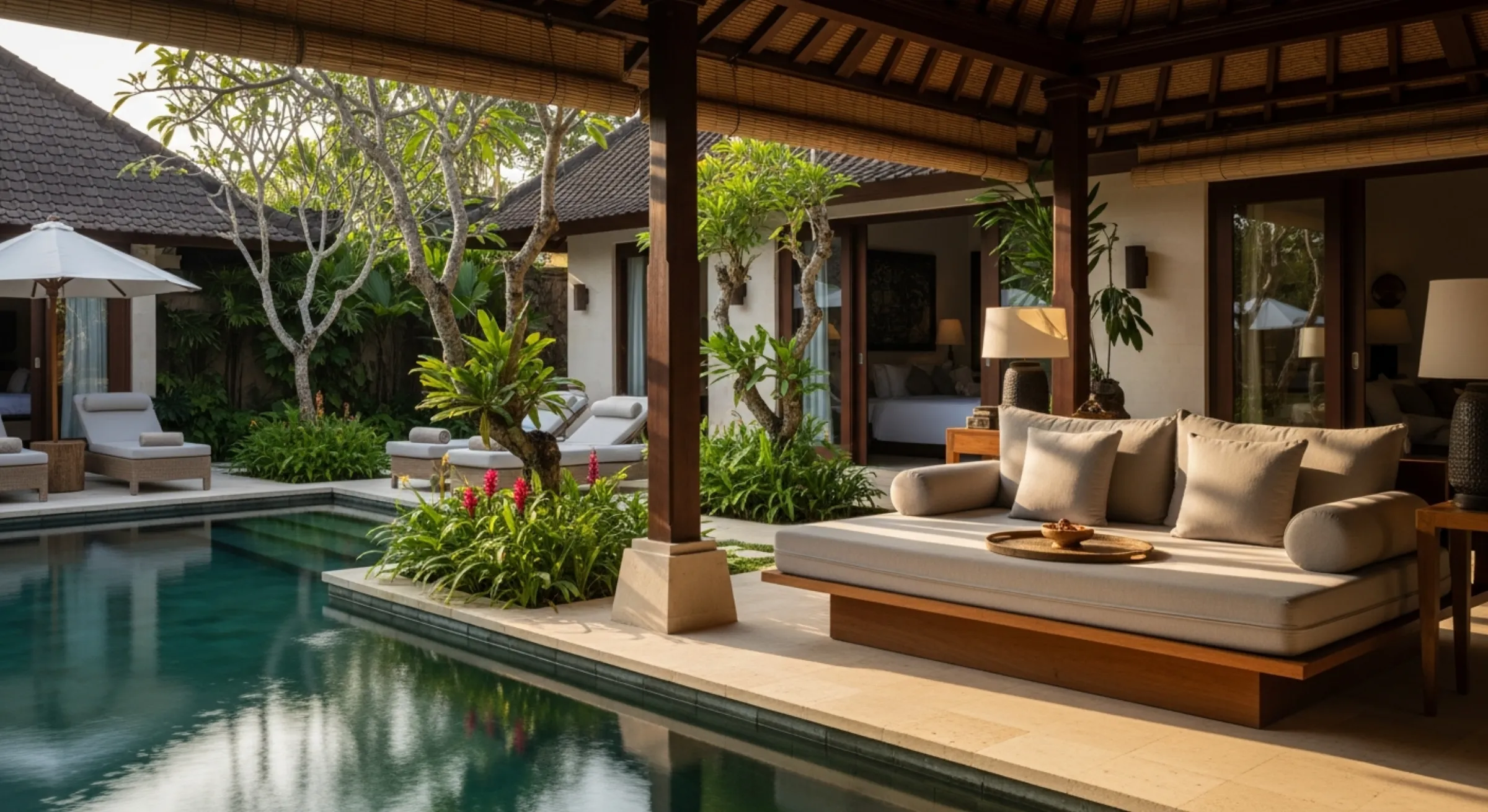
Private pool is non-negotiable for the luxury short-term market. Beyond that, amenities that move the needle include: plunge pools or cold plunges, outdoor showers, well-equipped kitchens, high-speed WiFi, smart TVs, and gym equipment. For the premium tier, add private chefs, in-villa spa services, and scooter rental.
5. Licensing
You need a Pondok Wisata (homestay) licence to legally operate short-term rentals in Bali, and the property must sit within a designated tourism zone. Operating without a licence is increasingly risky as enforcement tightens. Some OTA platforms are also starting to verify licensing status. At Balitecture, every development we build is in a licensed tourism zone with the correct permits from day one.
Realistic Nightly Rates by Area (2026)
These rates are for well-designed, well-managed, 2-3 bedroom villas with private pools. Average or poorly maintained properties will sit 30-50% below these ranges. Rates shown are blended annual averages accounting for seasonal fluctuation.
| Area | Nightly Rate (2-3 Bed) | Market Notes |
|---|---|---|
| Uluwatu | $150 - $400/night | Highest rates, cliff-top premiums, strong luxury positioning |
| Canggu | $120 - $350/night | Highest demand volume but more supply competition |
| Seminyak | $100 - $300/night | Mature market, walkability premium, established restaurant scene |
| Ubud | $80 - $250/night | Lower rates but steady wellness tourism, longer average stays |
| Cemagi / Pererenan | $100 - $280/night | Emerging areas, less competition, room to grow |
For a full breakdown of each area's investment profile, see our Invest in Bali guide and individual area guides.
Occupancy Rates: What to Actually Expect
Occupancy is the other half of the revenue equation, and it varies a lot by season. Here is what a well-managed villa typically achieves:
High season (Jun - Sep, Dec - Jan)
80 - 95%
Peak demand from Australian winter, European summer holidays, and Christmas/New Year
Shoulder (Apr - May, Oct - Nov)
50 - 70%
Solid bookings from digital nomads, couples, and event-driven travel
Low season (Feb - Mar)
40 - 60%
Rainy season, lowest demand - monthly rentals are your friend here
65 - 80%
Annual Average Occupancy for a Well-Managed Villa
One thing most projections don't tell you: your first year will be lower. New listings on Airbnb and Booking.com start with zero reviews, zero booking history, and no algorithmic ranking. Expect 50-65% occupancy in year one as you build up reviews and optimise pricing. Year two is when you hit your stride.
Case Study: A Typical 2-Bed Uluwatu Villa
Let's run the numbers on a realistic scenario. This is based on a composite of properties we have built and managed in the Uluwatu area, not a single villa, but representative of what investors typically see.
| Total investment (land lease + build + furniture) | $280,000 |
| Average nightly rate | $190 |
| Annual occupancy | 72% |
| Occupied nights per year | 263 nights |
| Gross rental income | ~$49,970 |
| Management fee (20%) | -$9,994 |
| Running costs (staff, maintenance, utilities, insurance) | -$8,000 |
| Net income before tax | ~$31,976 |
~11.4%
Net Yield on a $280K Uluwatu Villa Investment
For context, residential rental yields in Sydney average 3-4%, London 3-5%, and most US cities 5-7%. These numbers look great on a spreadsheet, and they hold up in practice too - but remember, year one will be lower while you build listing reviews and algorithmic ranking. By year two, 11-13% net is realistic for a well-run property. Morgan Stanley flagged Indonesia as the #2 global real estate investment destination.
These figures are illustrative and based on current market conditions. Actual returns vary based on property-specific factors, management quality, and market fluctuations.
Case Study: A 3-Bed Canggu Villa
Canggu is Bali's highest-demand rental market, but the higher supply means more competition and slightly lower occupancy rates compared to Uluwatu's luxury segment.
| Total investment (land lease + build + furniture) | $350,000 |
| Average nightly rate | $280 |
| Annual occupancy | 68% |
| Occupied nights per year | 248 nights |
| Gross rental income | ~$69,440 |
| Management fee (20%) | -$13,888 |
| Running costs (staff, maintenance, utilities, insurance) | -$10,000 |
| Net income before tax | ~$45,552 |
~13%
Net Yield on a $350K Canggu Villa Investment
The larger property generates higher absolute income, but the yield percentage is similar. Canggu's higher nightly rate offsets the lower occupancy. The trade-off: Canggu requires sharper management and more aggressive pricing strategy because you are competing with more listings.
Use our Build Calculator to model your own scenarios with different locations, bedroom counts, and budget levels.
The Hidden Costs That Eat into Profit
Most investor projections fall apart somewhere between gross and net income. If a developer only shows you gross yields, they are telling you half the story. Here is every recurring cost you need to budget for:
Villa management fees: 15-25% of gross
Full-service management including guest communication, check-in/out, cleaning coordination, dynamic pricing, channel management, and financial reporting. This is the biggest single cost, and also the one you should not skimp on.
Staff costs: $300 - $500/month
Pool maintenance, garden upkeep, and cleaning between guests. Most villas need a part-time pool person, a gardener, and a cleaning team. Some share staff across multiple villas to reduce costs.
Maintenance and repairs: 2-3% of build cost annually
Bali's tropical climate is hard on buildings. Budget for AC servicing, plumbing, painting touch-ups, furniture replacement, and the occasional bigger repair. This is where cheap builds come back to bite you - low-quality materials mean higher maintenance costs for the life of the property.
OTA commissions: 3-18% per booking
Airbnb charges guests a service fee and hosts approximately 3%. Booking.com charges the host 15-18%. These commissions come off the top before you see revenue. A direct booking website can reduce this, but building direct booking volume takes time.
Utilities: $200 - $400/month
Electricity (AC is the biggest draw), water, internet, gas, and cable/streaming services. Higher occupancy means higher utility costs. Budget toward the upper end if your villa has a heated pool or intensive landscaping irrigation.
Insurance: $500 - $1,500/year
Property insurance covering fire, flood, earthquake, and third-party liability. Not legally required for all properties, but strongly recommended. Costs vary based on build value and coverage level.
Licensing renewal
Pondok Wisata and other permits require periodic renewal. Costs are modest (typically under $500/year) but non-compliance can result in fines or forced closure of rental operations.
All in, expect operating costs to consume 35-45% of gross rental income. That is a big chunk. But the base yields in Bali are high enough that net returns still comfortably beat most Western property markets. The key is budgeting for all of this from the start, not discovering these costs after you have already committed.
How to Maximize Your Returns
The gap between a good investment and a great one usually comes down to what you do after the build is done. Here is what owners earning at the top end of the range do differently:
Invest in professional photography and videography
Dollar for dollar, this is the best money you will spend after construction. Professional photos with drone shots, golden-hour lighting, and styled interiors can increase your booking rate by 30-40%. Budget $500-1,000 for a professional shoot and reshoot every 12-18 months.
Price dynamically - not one rate year-round
A fixed nightly rate leaves money on the table in high season and prices you out of bookings in low season. Use dynamic pricing tools that adjust rates daily based on local demand, competitor pricing, events, and booking lead time. During peak periods your rate should be 2-3x your low-season rate.
Maintain a 4.8+ rating on Airbnb
Below 4.8, the algorithm buries your listing and guests scroll past. Getting there takes consistent cleanliness, fast communication, accurate listing descriptions, and a few thoughtful touches - welcome basket, local restaurant recommendations, reliable WiFi.
Build a direct booking website
OTA commissions (especially Booking.com's 15-18%) eat into your margins fast. A well-designed direct booking site with proper SEO can capture 20-30% of your bookings commission-free over time. It takes 6-12 months to gain traction, but the savings add up quickly.
Target longer stays in low season
Offering monthly rates at a 30-40% discount to the nightly rate during Feb-Mar fills gaps that would otherwise sit empty. Digital nomads and remote workers are your target audience here. A month at $2,500 beats 10 empty nights.
Design for rental from day one
This is exactly why working with a builder who understands rental matters. Rental-optimised design means separate master suites (so groups can share), outdoor living areas that photograph well, low-maintenance landscaping, and plumbing and electrical that can handle constant guest turnover without falling apart.
Our villa management service handles all of this - dynamic pricing, guest management, maintenance coordination, and performance reporting. We manage what we build, so the property is set up to perform from the day you get the keys.
What Balitecture Villas Earn
We are not a management company that takes on any property. We design, build, and then manage our own developments. That gives us something standalone managers do not have: control over the property from the architectural concept stage, so it is built to earn from day one.
That means separate bedroom wings for privacy (guests travelling together don't want to share walls), outdoor living areas designed around the pool (the hero shot in every listing), plumbing and electrical built for constant turnover, and low-maintenance finishes that still look good after years of guest use.
Our current developments across Uluwatu, Canggu, and Ubud are all built to this standard - including Nara Villas and Casa Petak. Each comes with a projected income model based on comparable properties we already manage in the same area - not hypothetical numbers from a spreadsheet.
For investors who want to build custom, our design and build packages start from $220K, including land lease, architecture, construction, and full furnishing. We will walk you through the income projections for your specific location and brief before you commit.
The Bottom Line
Bali villa rental income is real, and the yields are strong compared to almost any other property market in the world. But the gap between a well-executed investment and a poorly executed one is huge.
The investors who do well treat this like a business: right location, quality build, good management, and a clear picture of costs before they sign anything. The ones who lose money are usually chasing the cheapest build price, skipping proper licensing, or assuming that any villa in Bali automatically prints money. It does not.
If you are serious about investing, start with our full Bali investment guide, run the numbers on our Build Calculator, or talk to our team directly. We will tell you what we think, same as we have done in this article - no inflated projections.